




Breakfast pizza recipe combines golden pizza crust, baked eggs, melted cheese, and savory breakfast toppings in one oven-baked meal. With bacon, sausage, spinach, and colorful vegetables, it offers a practical alternative to preparing several breakfast dishes separately. The crust supports the toppings while the eggs cook directly on the pizza, making each slice easy to serve.
Whether you’re preparing a weekday breakfast or planning a relaxed weekend brunch, the Breakfast Pizza Recipe allows plenty of flexibility. Traditional pizza dough creates a chewy base, while naan, English muffins, and tortillas offer convenient alternatives. Choosing the right crust, controlling topping moisture, and watching the eggs carefully are the details that make the biggest difference.
Why Breakfast Pizza Works for Busy Mornings
Combining familiar breakfast foods on a single crust reduces the need to manage separate pans of eggs, bacon, and vegetables during the morning rush. Once the toppings are prepared, most of the cooking happens in the oven.
An easy breakfast pizza recipe also adapts to different household preferences. Some portions can contain bacon and sausage, while others feature spinach, peppers, and onions. Smaller bases make individual customization especially convenient.
For weekend brunch, the same approach creates a centerpiece that can be sliced and served alongside fruit or a light salad. The combination of crisp edges, melted cheese, and warm eggs gives breakfast pizza its characteristic texture.
The Crust Choice Changes the Breakfast Pizza Texture
Pizza dough produces a more traditional crust with a chewy interior and browned edges. Thinner alternatives cook differently, so the base should be selected according to the desired texture and available preparation time.
| Crust option | Texture and handling | Practical use |
|---|---|---|
| Traditional pizza dough | Chewy center with golden edges | Full-size breakfast pizza |
| Naan bread | Soft center with lightly crisp edges | Quick individual portions |
| English muffins | Small, sturdy bases with toasted edges | Mini breakfast pizzas |
| Flour tortilla | Thin and potentially crisp | Light toppings and smaller portions |
| Puff pastry | Flaky, layered structure | A richer brunch variation |
For thin prepared bases, begin checking the pizza earlier because they may brown before traditional dough finishes baking. Puff pastry needs particular attention to its underside because heavy toppings can interfere with crispness.
Eggs and Cheese Need the Right Supporting Ingredients
The most important ingredient decision is how the eggs will sit among the toppings. Whole eggs need shallow spaces that keep them from spreading across the pizza. Lightly scrambled eggs distribute more evenly and make the finished slices easier to portion. For smaller portions, pizza eggs combine eggs, tomato, and melted cheese without requiring a separate dough crust.
Mozzarella provides the familiar melted cheese texture, while cheddar can contribute a sharper flavor. Parmesan is another option when a more pronounced savory finish is desired. Using a combination is useful, but the cheese should not bury the eggs completely.
Cooked bacon and breakfast sausage work well because they can be distributed without releasing large amounts of liquid during baking. Spinach, bell pepper, and thinly sliced red onion bring vegetables into the same layer. Their preparation matters: excess moisture can soften the crust beneath the cheese.
For a breakfast pizza with eggs and bacon, keep the bacon pieces evenly scattered so each slice contains some without covering the egg wells. Chives or green onions can be added after baking to preserve their fresh character.
Sauce Selection Determines the Savory Breakfast Flavor
Traditional pizza sauce creates a familiar tomato-based flavor, while country gravy produces a creamier breakfast-style base. Hollandaise, garlic-herb butter, and pesto offer other directions. Whichever sauce is chosen, apply a relatively thin layer so the crust can bake without becoming saturated.
Control Egg Doneness Without Sacrificing the Crust
Egg timing is the central cooking challenge. At 425°F (220°C), the crust, cheese, and eggs develop at different rates. A golden crust and bubbling cheese do not automatically mean the eggs have reached the desired doneness.
Whole eggs can be placed into shallow wells among the toppings. If the preference is for softer yolks, adding them during the later part of baking gives more control. Watch for the whites to become opaque and fully set, and remember that residual heat continues cooking the eggs briefly after removal.
For breakfast pizza topped with whole shell eggs, the safest endpoint is more thorough than simply setting the whites. The FDA advises cooking eggs until the whites and yolks are firm. If softer yolks are preferred, pasteurized shell eggs offer an option that reduces the risk associated with undercooked eggs.
Lightly scrambled eggs provide a more uniform topping. They are useful when consistent portions matter, especially if the pizza will be sliced into smaller pieces. Cook until the egg mixture is set throughout, with no visibly liquid areas.
When using raw pizza dough, a short pre-bake can help the base firm before the toppings are added. This is particularly useful when the chosen sauce or vegetables introduce additional moisture. Adjust the remaining baking period according to the crust’s color and the eggs’ doneness.
Breakfast Pizza Recipe with Bacon or Sausage
For the classic breakfast pizza recipe, cooked bacon creates a smoky, savory topping alongside mozzarella and eggs. Crumbling the bacon helps distribute it between the egg wells without creating thick piles that interfere with baking.
A breakfast pizza with sausage offers a slightly different texture. Cooked, sliced breakfast sausage links can be arranged among the vegetables and cheese. Both meats can also be combined, provided the overall topping layer remains moderate.
Ham is another option mentioned in the original preparation. For a meat-free version, omit the breakfast meats and use the vegetable combinations instead. The same basic assembly principle applies regardless of which protein is selected.
Vegetable Moisture Can Make or Break the Pizza Base
Spinach, bell peppers, onions, and mushrooms can release moisture as they heat. Sautéing moisture-heavy vegetables before adding them helps reduce the liquid that might otherwise collect beneath the cheese. Keep the vegetable pieces distributed around the eggs so the crust is not overloaded in one area.
Common Breakfast Pizza Mistakes to Avoid
Several predictable errors affect the texture of breakfast pizza. Most involve too much moisture, uneven toppings, or a mismatch between crust browning and egg doneness.
- Soggy center: Too much sauce or wet vegetables can leave the middle soft. Use a lighter coating and pre-cook moisture-heavy toppings.
- Pale underside: Raw dough may need a brief pre-bake before the toppings are added.
- Overcooked eggs: Check egg doneness independently of the cheese and crust, especially when using whole eggs.
- Uneven slices: Concentrated piles of meat or vegetables make some portions heavier than others. Distribute toppings across the pizza.
- Excess cheese: A thick layer can conceal the eggs and make it harder to judge their progress. Leave the egg wells visible.
When checking the finished pizza, look at the crust edges, underside, cheese, and eggs separately. A brief resting period makes slicing easier, but it should not be used as a substitute for properly cooking the eggs.
Seven Breakfast Pizza Variations Worth Trying
Different combinations of crust, sauce, and toppings can change the character of the meal without requiring an entirely different preparation technique. These seven variations use ingredients already associated with the breakfast pizza recipe.
| Variation | Base or sauce | Suggested toppings |
|---|---|---|
| Classic bacon and egg | Pizza dough and tomato sauce | Bacon, eggs, mozzarella, chives |
| Sausage and gravy | Pizza dough and country gravy | Breakfast sausage, eggs, cheddar |
| Spinach and pesto | Naan with pesto | Spinach, eggs, mozzarella, red onion |
| Mini muffin pizzas | English muffin halves | Scrambled eggs, bacon, cheese |
| Vegetable breakfast pizza | Pizza dough and tomato sauce | Peppers, onions, spinach, eggs |
| Garlic-herb breakfast pizza | Pizza dough with garlic-herb butter | Eggs, mozzarella, sausage, herbs |
| Plant-based breakfast pizza | Vegan dough with hummus | Tofu scramble, vegetables, plant-based cheese |
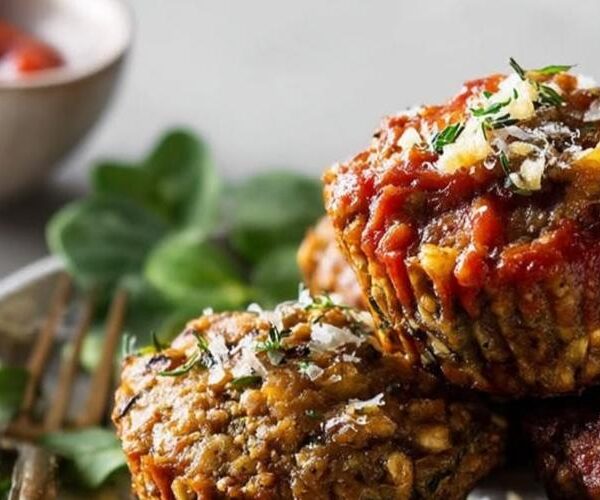
For mini pizzas, scrambled eggs are often easier to distribute than whole eggs because the smaller surface offers limited room for an egg well. Larger bases provide more flexibility for whole eggs and separate topping combinations. For a brunch spread with individual egg portions, egg muffins with spinach and feta pair naturally with mini breakfast pizzas and can be served without additional slicing.
Dietary Adjustments for Breakfast Pizza
Cauliflower crust can replace traditional dough when reducing carbohydrates is a priority. For gluten-free preparation, choose a certified gluten-free base and verify that the sauces, seasonings, and toppings meet the same requirement.
Whole-grain dough provides another alternative for readers who want a different grain profile. Turkey bacon can replace conventional bacon, while reduced-fat cheese offers a way to adjust the dairy component.
A plant-based breakfast pizza can use seasoned tofu scramble in place of eggs, plant-based cheese, and vegetables or legumes. Hummus or cashew cream can replace traditional sauce. These substitutions change the cooking behavior, so monitor the crust and toppings rather than assuming identical results.
Make-Ahead Preparation Without a Soggy Breakfast
Vegetables can be chopped ahead of time, while bacon and sausage can be cooked and stored separately. Keeping the prepared components apart helps prevent moisture from transferring into the crust before baking.
Another option is to prepare and briefly pre-bake the crust, allowing it to cool before storing it for later assembly. If assembling an unbaked pizza in advance, keep it refrigerated and account for the additional time a chilled pizza may need in the oven.
For busy mornings, the breakfast pizza recipe is particularly convenient when the toppings are ready before cooking begins. Assembly becomes a matter of distributing the prepared ingredients, leaving suitable spaces for the eggs, and checking the finished pizza carefully.
Serving Breakfast Pizza at the Table
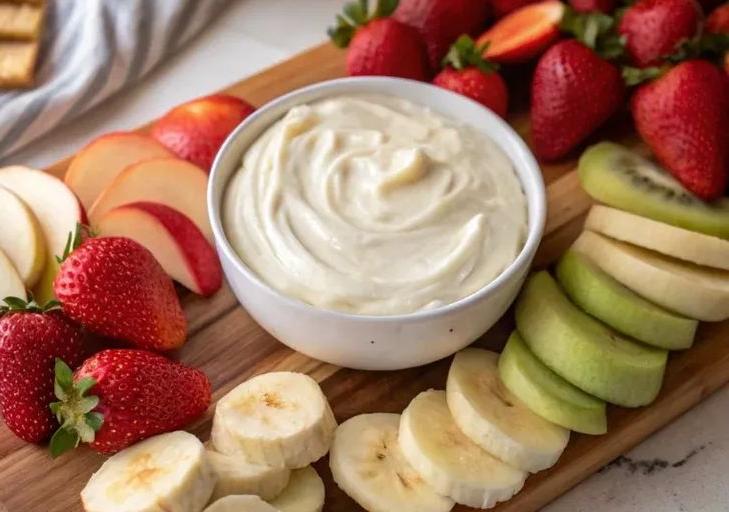
A fresh fruit salad with a light honey-and-lime dressing provides a refreshing accompaniment to the savory pizza without adding another hot dish to the brunch menu. An arugula salad offers a contrasting side, while a small amount of fresh herbs or cracked black pepper can finish the slices immediately before serving.
Allowing the pizza to rest briefly helps the melted cheese settle and makes cutting cleaner. Use smaller squares for a shared brunch spread or larger slices for a substantial breakfast.
Seasonal accompaniments can also change the meal without altering the pizza itself. Berries work well in spring, watermelon is an option in summer, and citrus segments provide a fresh contrast during colder months.
Refrigerating and Freezing Leftover Breakfast Pizza
Leftover slices should be cooled promptly and placed in an airtight container in the refrigerator for up to three days. This falls within the FoodSafety.gov chart’s refrigerated pizza storage of 3 to 4 days at 40°F (4°C) or below. Paper towels between slices can help absorb some condensation, although keeping the crust dry during reheating is equally important.
For longer storage, cool the pizza completely and wrap individual portions securely before freezing. Label the packages and use them within two months for the suggested storage period. Thaw frozen portions in the refrigerator before reheating.
Reheating Slices While Keeping the Crust Crisp
An oven set to 350°F can reheat refrigerated slices in approximately 8–10 minutes, while an air fryer at the same temperature may take around 3–4 minutes. A covered skillet over low heat is another option. Reheating time depends on slice thickness and the appliance, so ensure the center is thoroughly heated. The microwave is convenient but can soften the crust and make the eggs rubbery.
For leftover breakfast pizza containing cooked eggs, bacon, or sausage, check the center of a thick slice with a food thermometer rather than relying on reheating time alone. The USDA specifies a 165°F (74°C) internal temperature for reheated leftovers. This provides a measurable endpoint even when the crust becomes crisp before the center is fully heated.
A Balanced Crust and Egg Layer Defines Good Breakfast Pizza
A golden crust with evenly distributed toppings gives the breakfast pizza recipe its structure, but egg placement determines how consistently the slices cook. Moderate sauce, prepared vegetables, and visible egg wells allow the different ingredients to reach their intended textures without one layer overwhelming another.
Whether the base is traditional dough or a smaller prepared bread, the most useful judgment is to check the crust and eggs independently. That attention produces slices with a firm base, melted cheese, and eggs cooked to the desired doneness.
Breakfast Pizza Questions About Eggs, Crusts, and Leftovers
Can I use store-bought pizza crust without changing the toppings?
Store-bought crust works with the same general topping combinations. Check whether the product is raw, partially baked, or fully baked, and follow its package guidance. A fully baked crust generally needs less oven time than raw dough, so pre-cooked or scrambled egg toppings may be easier to manage.
How can I keep whole egg yolks soft on breakfast pizza?
Add the eggs toward the end of baking and monitor them closely. The original preparation suggests introducing them during the last 5–7 minutes for softer yolks. Cooking time varies with egg size and oven conditions. Soft yolks may remain undercooked, so fully set eggs are the safer choice for young children, pregnant people, older adults, and anyone at increased risk from foodborne illness.
Can I use both bacon and sausage on the same pizza?
Both can be included as long as they are cooked before assembly. Use smaller portions of each to avoid creating an overly heavy topping layer. Their combined seasoning may also make additional salt unnecessary, so adjust the seasoning with that in mind.
Why does my breakfast pizza crust stay soft in the middle?
A thick dough base may need more baking time than the toppings, particularly when sauce and cheese cover most of its surface. If this happens repeatedly, try shaping the dough more evenly or briefly pre-baking it before assembly. Check the underside for proper browning before serving.
Can breakfast pizza be packed for lunch?
Cooked slices can be packed for a later meal if they are refrigerated promptly and kept properly chilled during transport. Fully cooked eggs are a more practical choice for packed portions than soft or runny yolks. Use an insulated lunch bag with a cold pack when refrigeration is unavailable.
Is it possible to make breakfast pizza without dairy cheese?
Plant-based cheese alternatives can be used with a suitable crust and sauce. Nutritional yeast is another option for adding savory flavor, although it will not create the same melted layer as mozzarella. Choose toppings that remain flavorful without relying on a thick cheese covering.